


CNCR: Leading RF Dummy Load Supplier
CNCR is a global leading supplier providing telecom access network solutions. Since the company was successfully listed in 2011, CNCR has always adhered to independent research and development and technological innovation, and successfully passed the highest level CMMI5 certification in the global software field.
-
![Dummy Load 1000 Watt]() Dummy Load 1000 WattRF dummy loads also called RF termination loads, or RF terminations, it is mainly used to absorb the power of the RF or microwave system.read more
Dummy Load 1000 WattRF dummy loads also called RF termination loads, or RF terminations, it is mainly used to absorb the power of the RF or microwave system.read more -
![100w Dummy Load]() 100w Dummy LoadRF dummy loads also called RF termination loads, or RF terminations, it is mainly used to absorb the power of the RF or microwave system.read more
100w Dummy LoadRF dummy loads also called RF termination loads, or RF terminations, it is mainly used to absorb the power of the RF or microwave system.read more -
![100 Watt Dummy Load]() 100 Watt Dummy LoadRF dummy loads also called RF termination loads, or RF terminations, it is mainly used to absorb the power of the RF or microwave system.read more
100 Watt Dummy LoadRF dummy loads also called RF termination loads, or RF terminations, it is mainly used to absorb the power of the RF or microwave system.read more -
![Sma Dummy Load]() Sma Dummy Load◆ Wide Frequency Band 0.698-4GHz. ◆ 2G/3G/4G//5G LTE Coverage. ◆ Low VSWR. ◆ Widely used for In-building Solutions. ◆ Application for indoorread more
Sma Dummy Load◆ Wide Frequency Band 0.698-4GHz. ◆ 2G/3G/4G//5G LTE Coverage. ◆ Low VSWR. ◆ Widely used for In-building Solutions. ◆ Application for indoorread more -
![Rf Termination Load]() Rf Termination Load◆ Wide Frequency Band 0.698-4GHz. ◆ 2G/3G/4G//5G LTE Coverage. ◆ Low VSWR. ◆ Widely used for In-building Solutions. ◆ Application for indoorread more
Rf Termination Load◆ Wide Frequency Band 0.698-4GHz. ◆ 2G/3G/4G//5G LTE Coverage. ◆ Low VSWR. ◆ Widely used for In-building Solutions. ◆ Application for indoorread more -
![200w Dummy Load]() 200w Dummy Load◆ Wide Frequency Band 0.698-4GHz. ◆ 2G/3G/4G//5G LTE Coverage. ◆ Low VSWR. ◆ Widely used for In-building Solutions. ◆ Application for indoorread more
200w Dummy Load◆ Wide Frequency Band 0.698-4GHz. ◆ 2G/3G/4G//5G LTE Coverage. ◆ Low VSWR. ◆ Widely used for In-building Solutions. ◆ Application for indoorread more -
![Dummy Load 50 Ohm]() Dummy Load 50 Ohm◆ Wide Frequency Band 0.698-4GHz. ◆ 2G/3G/4G//5G LTE Coverage. ◆ Low VSWR. ◆ Widely used for In-building Solutions. ◆ Application for indoorread more
Dummy Load 50 Ohm◆ Wide Frequency Band 0.698-4GHz. ◆ 2G/3G/4G//5G LTE Coverage. ◆ Low VSWR. ◆ Widely used for In-building Solutions. ◆ Application for indoorread more -
![50 Ohm 50 Watt Dummy Load]() 50 Ohm 50 Watt Dummy LoadThey can absorb the RF energy and transform into heat. The main factors of the maximum capacity are the size and the ambient temperature.read more
50 Ohm 50 Watt Dummy LoadThey can absorb the RF energy and transform into heat. The main factors of the maximum capacity are the size and the ambient temperature.read more -
![50 Ohm 100 Watt Dummy Load]() 50 Ohm 100 Watt Dummy LoadRF dummy loads also called RF termination loads, or RF terminations, it is mainly used to absorb the power of the RF or microwave system.read more
50 Ohm 100 Watt Dummy LoadRF dummy loads also called RF termination loads, or RF terminations, it is mainly used to absorb the power of the RF or microwave system.read more -
![50 Ohm 200 Watt Dummy Load]() 50 Ohm 200 Watt Dummy LoadDummy Load is a device used to simulate an electrical load during testing. In an RF System a dummy load is used to simulate an antenna. By using a dummy load instead of an actual antenna, theread more
50 Ohm 200 Watt Dummy LoadDummy Load is a device used to simulate an electrical load during testing. In an RF System a dummy load is used to simulate an antenna. By using a dummy load instead of an actual antenna, theread more


Why Choose Us
Professional Engineer
500+ experts provides innovative solutions to ensure project quality and reliability.
Customizable R&D
Meet personalized needs, reduce costs, protect intellectual property rights, improve competitiveness, and enhance user experience.
Real-Time Support
7*24 hours global technical support service, quickly solve problems and improve user experience.
Certified Quality
CNCR products have passed various international certifications such as ISO, CE, ROHS, improve customers' market competitiveness.
Specification
|
Oduct Name |
Dummy load |
|
Frequency band |
DC-18GHz |
|
Power |
10w |
|
VSWR |
Max 1.4 |
|
Impedance |
50 ohm |
|
Connector |
SMA male |
|
Color |
black |
|
Temp |
-55-+125deg |
Material of RF Dummy Load
Enclosure
Typically constructed from aluminum alloy or stainless steel to provide mechanical strength and effective shielding from RF leakage.
Insulation
Insulating materials, such as ceramic or high-temperature plastics, are used to provide electrical insulation and prevent short circuits between different components of the RF dummy load.
Resistive Element
The resistive element in an RF dummy load is typically made of a high-power resistor material, such as carbon composition, metal film, or wirewound resistors, which ensures a stable resistance value at high frequencies.
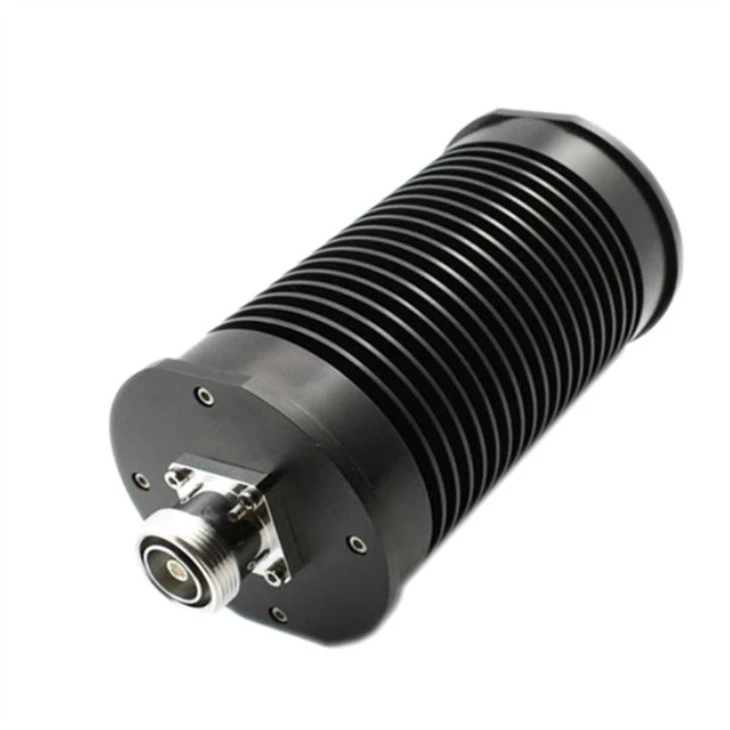
Benefits of RF Dummy Load
By absorbing the RF energy generated by a transmitter or RF circuit, they prevent the energy from being radiated as electromagnetic waves, which could interfere with other nearby equipment or cause unwanted signals.
RF dummy loads simulate the presence of an antenna or other load, allowing engineers and technicians to test and calibrate RF equipment without the need for an actual antenna or load.
RF dummy loads are designed to match the impedance of the RF system, typically 50 ohms, to ensure proper signal reflection and minimize signal loss. This helps maintain signal integrity and prevents signal reflections that could cause interference or damage to the RF system.
RF dummy loads are available in various power handling capacities, ranging from a few watts to several kilowatts, depending on the application. This makes them suitable for a wide range of RF testing and calibration applications.
RF dummy loads are a cost-effective alternative to using an actual antenna or load for testing and calibration. They are typically less expensive than antennas or other loads and can be used repeatedly without the need for replacement.
RF dummy loads are easy to use and require minimal setup. They can be connected directly to the RF system and do not require any additional equipment or accessories.
Applications of RF Dummy Loads
Testing and calibration: RF dummy loads are often used in testing and calibration of RF equipment, such as transmitters, amplifiers, and receivers. They provide a non-radiating load that is crucial for testing equipment without interfering with other communication devices.
Broadcast stations: In broadcast stations, RF dummy loads are typically used during testing and maintenance of transmitting equipment. They help to isolate the station's generator and transmitter from the antenna while maintaining the correct impedance match.
Industrial testing: RF dummy loads are used in industrial testing of radio frequency equipment, such as testing antennas, filters, and waveguides.
Medical imaging: RF dummy loads are used in medical imaging equipment, such as MRI scanners, to absorb the RF power that is not absorbed by the human body. This helps to prevent unwanted radiation exposure to the patient and healthcare workers.
Military applications: RF dummy loads are used in military applications, such as testing communication systems, radar, and electronic warfare equipments. They help to ensure the proper operation of these systems while preventing unwanted RF emissions that may compromise the military's position.
Education and training: RF dummy loads are useful in educational and training settings for learning about the proper operation and maintenance of RF equipment. They can also be used to demonstrate RF theory and to learn about testing and calibration techniques.
Aerospace testing: RF dummy loads can be used in aerospace testing to simulate the impedance of antennas and other RF equipment. This helps to ensure the proper operation of the equipment in different environments.
Research and development: RF dummy loads are used in research and development to test the performance of new RF equipment and technologies. They can help to identify the potential for RF interference, inefficiency, or other issues that may arise.
Production and installation Process
Design and Manufacturing: The first step in the production process of an RF dummy load is the design and manufacturing of the load. Designs are typically based on specific frequency ranges, power levels, and impedance requirements.
Testing and Certification: Once the dummy load is manufactured, it is tested to ensure that it meets the specified requirements for the system.
Packaging and Shipping: After the dummy loads are tested and certified, they are packaged and shipped. The package typically includes the dummy load, along with any necessary installation instructions and accessories.
Installation and Integration: It is typically connected to the transmission line or equipment using the appropriate connector type. The impedance matching and VSWR are carefully adjusted to optimize the operation of the broadcasting system.
Maintenance and Repair: After the dummy load is installed, it requires regular maintenance to ensure proper operation. This includes checking the impedance matching and VSWR, inspecting the dummy load for damage or wear, and cleaning or replacing any components as needed.
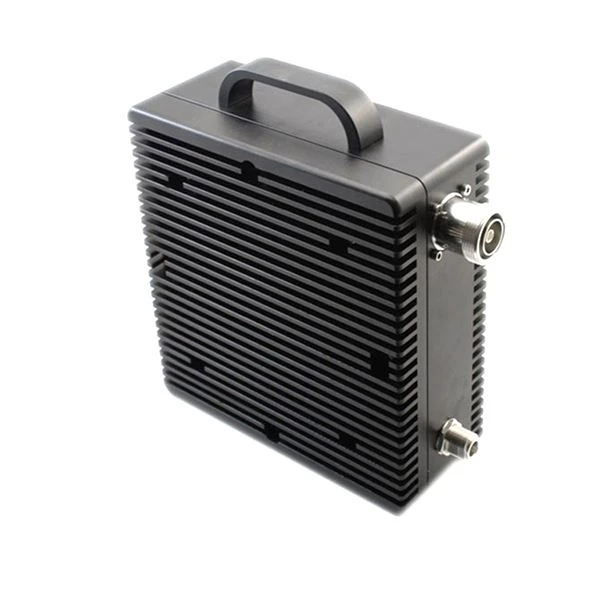
- Send us your order list (models/quantities/specification).
- We will send you PROFORMA INVOICE (PI) with shipping cost and Payment information for your confirmation.
- You arrange payment after you confirmed proforma invoice, we will arrange production after received your payment notice.
- We will arrange delivery after your payment arrived and goods ready,and at the same time we will tell you goods tracking number so that you could know your goods condition by this number from courier site.
- You will receive your order in about 3-5 days after goods ship out.
Packaging & Shipping
|
Trade Terms: |
FOB, CIF, CFR, etc |
|
Price Terms: |
T/T, Western Union, Paypal, L/C, RMB, Credit Card |
|
Lead Time: |
Generally, if the goods are in stock, shipment can be arranged within 3 working days; If the goods need to be mass produced, delivery time may be around 7-10 working days. |
|
Shipment: |
Express, Air, Sea |
|
Package Information: |
Standard carton package with the original package |
Video
Patents & Certificates
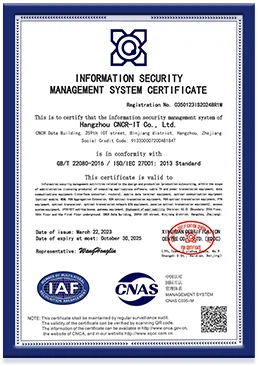
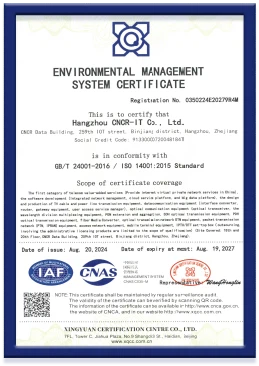
In pursuing innovation of cutting-edge technologies, CNCR has been publishing patents every year.


Factory Environment


FAQ
We're well-known as one of the leading RF dummy load manufacturers in China since 1999, specialized in providing high quality customized products. Welcome to buy cheap RF dummy load for sale here from our factory. For price consultation, contact us.
gpon mdu for rural broadband, gpon mdu for video streaming, distributed access