


Leading RF Combiner Supplier
CNCR is a global leading supplier providing telecom access network solutions. Since the company was successfully listed in 2011, CNCR has always adhered to independent research and development and technological innovation, and successfully passed the highest level CMMI5 certification in the global software field.
-
![Diplexer Combiner]() Diplexer CombinerCombiners are used to unite two different frequencies sharing the common antenna feed cable or one antenna by several transmitters or receivers.read more
Diplexer CombinerCombiners are used to unite two different frequencies sharing the common antenna feed cable or one antenna by several transmitters or receivers.read more -
![RF Multiplexer]() RF Multiplexer◆Low Insertion Loss. ◆Low VSWR. ◆High Isolation. ◆Widely used in IBS & DAS. ◆High Qualityread more
RF Multiplexer◆Low Insertion Loss. ◆Low VSWR. ◆High Isolation. ◆Widely used in IBS & DAS. ◆High Qualityread more -
![Rf Wireless Coverage]() Rf Wireless CoverageCombiners are used to unite two or more different frequencies sharing the common antenna feed cable or one antenna by several transmitters or receivers.read more
Rf Wireless CoverageCombiners are used to unite two or more different frequencies sharing the common antenna feed cable or one antenna by several transmitters or receivers.read more -
![Triiplexer Combiner]() Triiplexer CombinerCombiners are used to unite two different frequencies sharing the common antenna feed cable or one antenna by several transmitters or receivers.read more
Triiplexer CombinerCombiners are used to unite two different frequencies sharing the common antenna feed cable or one antenna by several transmitters or receivers.read more -
![in Door Wireless Coverage]()
-
![Diplexer Combiner For BTS]() Diplexer Combiner For BTSCombiners are used to unite two different frequencies sharing the common antenna feed cable or one antenna by several transmitters or receivers.read more
Diplexer Combiner For BTSCombiners are used to unite two different frequencies sharing the common antenna feed cable or one antenna by several transmitters or receivers.read more -
![RF GSM900 Diplexer]()
-
![Passive Combiner]() Passive CombinerCombiners are used to unite two or more different frequencies sharing the common antenna feed cable or one antenna by several transmitters or receivers.read more
Passive CombinerCombiners are used to unite two or more different frequencies sharing the common antenna feed cable or one antenna by several transmitters or receivers.read more -
![RF Multiplexer Combiner]() RF Multiplexer Combiner◆Low Insertion Loss. ◆Low VSWR. ◆High Isolation. ◆Widely used in IBS & DAS. ◆High Qualityread more
RF Multiplexer Combiner◆Low Insertion Loss. ◆Low VSWR. ◆High Isolation. ◆Widely used in IBS & DAS. ◆High Qualityread more -
![3 Way RF Triplexer]()
-
![Duplexer Combiner]()
-
![3 Way Triplexer Combiner]()


Combiners are used to unite two or more different frequencies sharing the common antenna feed cable or one antenna by several transmitters or receivers.
Combiner collects all the signals from different systems to an antenna port and allows that different systems share one set of antenna and cable equipment
Why Choose Us
Professional Engineer
500+ experts provides innovative solutions to ensure project quality and reliability.
Customizable R&D
Meet personalized needs, reduce costs, protect intellectual property rights, improve competitiveness, and enhance user experience.
Real-Time Support
7*24 hours global technical support service, quickly solve problems and improve user experience.
Certified Quality
CNCR products have passed various international certifications such as ISO, CE, ROHS, improve customers' market competitiveness.
Types of RF Combiner
01
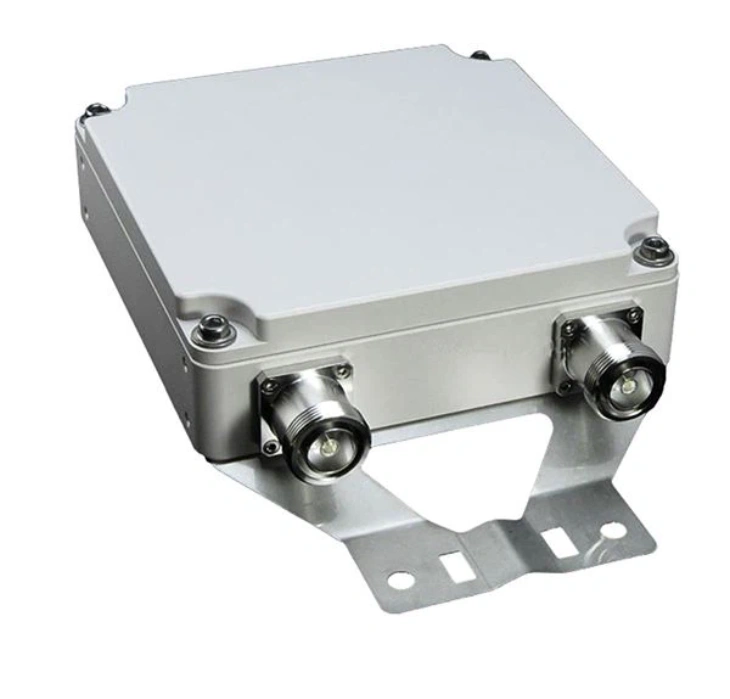
Diplexer Combiner
Diplexer combiners are used to unite two different frequencies sharing the common antenna feed cable or one antenna by several transmitters or receivers.
02
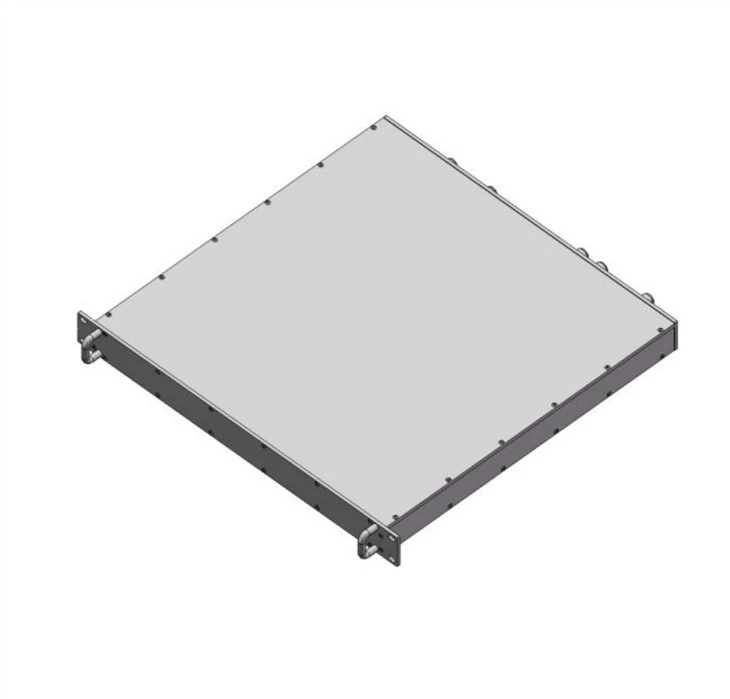
RF Multiplexer
RF Multiplexers combine multiple filters to a common port to create a multi-channel module.
03
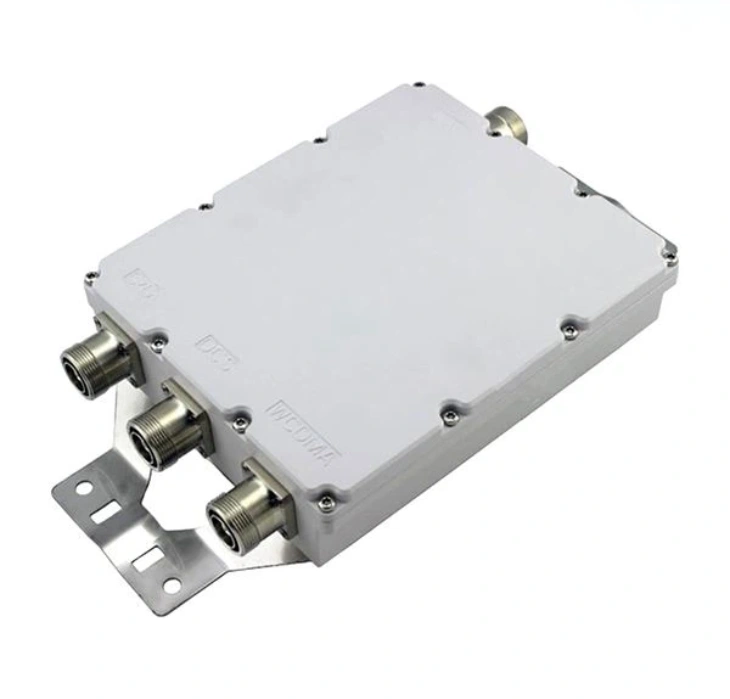
Rf Wireless Coverage
Radio waves transmitted and received between cell towers, base stations, and mobile devices provide RF wireless coverage.
04
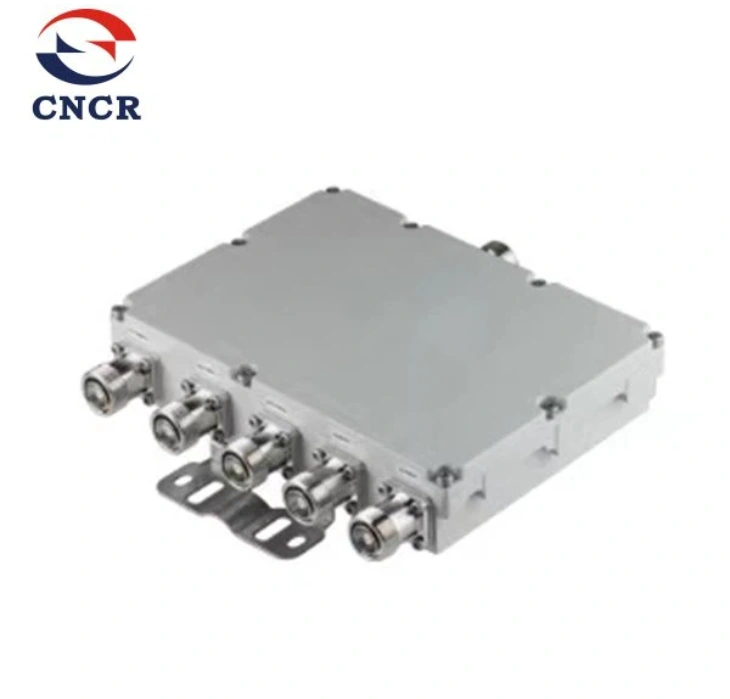
Triiplexer Combiner
The term "triplexer" is derived from the combination of "triple" and "duplexer," which refers to the ability to separate signals into three different frequency bands for three different communication systems.
Specification
|
Part number |
ZHCM-0617192304D-5F1A |
|||
|
Product Type |
Quad-plexer |
|||
|
Frequency Range(MHz) |
690-960 1710-1880 |
|||
|
Band Width(MHz) |
270/170/250/400 |
|||
|
Insertion Loss (dB) |
≤0.3 |
≤0.6 |
≤0.6 |
≤0.5 |
|
Isolation(dB) |
≥80 |
|||
|
Return Loss(dB) |
≥20 |
|||
|
PIM(dBc) +43 dBm x 2 |
≤-150 |
|||
|
Impedance(Ω) |
50 |
|||
|
Ingress protection |
OutdoorIP67 |
|||
|
Connectors |
DIN-F |
|||
|
Power Rating(W) |
200 |
|||
|
Temperature(℃) |
-20 to 55 |
|||
Advantages of RF Combiner
Improve efficiency: One key benefit of RF combiners is the ability to combine multiple RF signals, which allows for increased efficiency and greater communication capacity.
Improve signal quality: Another benefit of RF combiners is improved signal quality. By combining several signals into a single feed, noise and interference are reduced, resulting in a stronger and more reliable signal.
Expanding coverage: RF combiners also have the advantage of increased range and coverage. By utilizing a single antenna, the signal can be transmitted further and with greater consistency.
Cost-effective: In addition to these benefits, RF combiners are also cost-effective and practical. They require less equipment and maintenance than separate systems, reducing overall costs and increasing system reliability.
Easy to install: Because they allow for multiple signals to be combined into a single feed, they take up less space and can be more easily installed than multiple antennas and transmission lines.
Uses of RF Combiner
Broadcasting: In broadcasting applications, RF combiners are used to combine the signals from multiple transmitters into a single antenna, thereby reducing the number of antennas required.
Cellular Networks: In cellular networks, RF combiners are used to combine the signals from multiple base stations into a single antenna, allowing for better coverage and capacity.
Distributed Antenna Systems (DAS): In DAS installations, RF combiners are used to combine the signals from multiple remote units into a single antenna, providing improved signal distribution and coverage.
Two-Way Radio Systems: In two-way radio systems, RF combiners are used to combine the signals from multiple radios or repeaters into a single antenna, enabling communication over a larger area.
Radar Systems: In radar systems, RF combiners are used to combine the signals from multiple radar transmitters into a single antenna, allowing for better detection and tracking of targets.
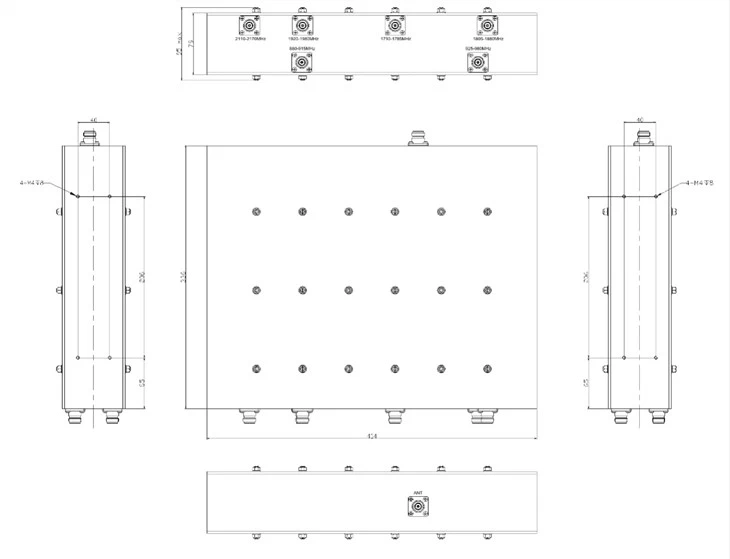
The main difference between RF combiners and diplexers is the way that they handle multiple frequencies. RF combiners are designed to handle multiple frequencies at once, combining them into a single output. Diplexers, on the other hand, are designed to separate two specific frequencies, typically one for transmit and one for receive.
Another key difference between RF combiners and diplexers is their use in filtering signals. RF combiners typically do not have any filtering capabilities, while diplexers are designed to have filtering capabilities in order to separate the desired frequencies from each other. This capability is key in applications where interference can be caused by unwanted frequencies overlapping with the desired ones.
RF Combiner Customization Process
Determine the specifications
First, determine the RF combiner specifications you need, including frequency range, power handling capability, insertion loss, isolation, and impedance matching requirements.
Choose the combiner topology
There are several combiner topologies available, such as Wilkinson combiner, hybrid combiner, and resistive combiner.
Determine the number of ports
Decide on the number of input ports and the number of output ports based on the application. For example, a 2-way combiner will have two input ports and one output port.
Design the power dividers
Power dividers are used to split the input power into multiple output ports. Design the power dividers based on the specifications and the combiner topology chosen.
Design the impedance matching networks
Impedance matching networks are used to match the input and output impedance of the combiner with the source and load impedance. Design the impedance matching networks to achieve good impedance matching.
Simulate the combiner
Use a simulation software or RF circuit simulator to simulate the combiner design. Verify the performance of the combiner, including the power division, insertion loss, isolation, and impedance matching.
Fabricate the combiner
Once the design is verified through simulation, fabricate the combiner using appropriate RF components, such as resistors, capacitors, and transmission lines.
Test and tune the combiner
After fabrication, test the combiner using appropriate RF test equipment. Measure the performance parameters, such as insertion loss, isolation, and power division. If necessary, tune the combiner by adjusting the component values to achieve the desired performance.
Verify the combiner performance
Finally, verify the combiner performance against the specifications. Make sure the combiner meets all your requirements and operates as expected.
Order Process
Contact our sales team online via email at sarah.gu@cncr-it.com and provide the products and quantities you need to order and your customization requirements.
Once we receive your custom requirements, we will contact you via email to confirm your order requirements.
Once everything is confirmed, we will send you a quotation for your approval.
Once we get your approval, we will start processing your custom order.
Our technicians will control the quality during the production process.
According to the delivery time, we will arrange shipment after receiving the remaining payment.
Payment & Delivery
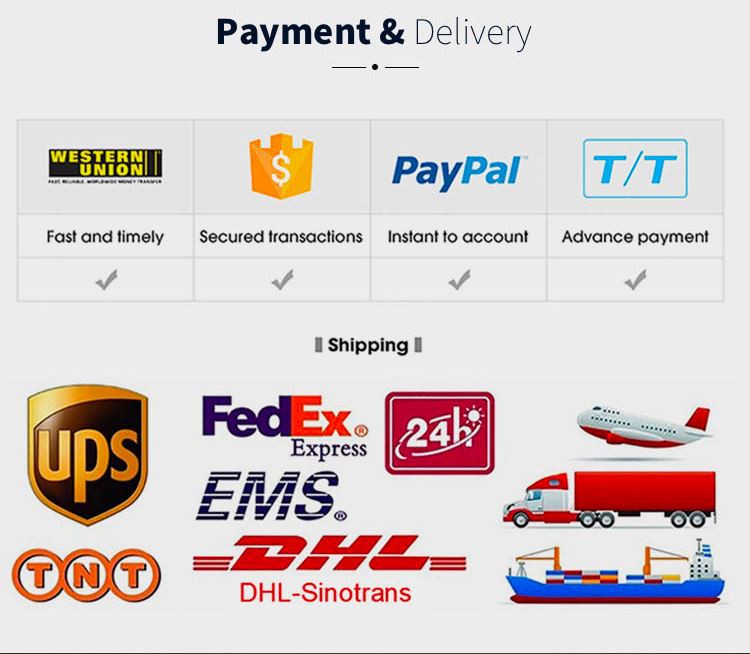
| Accepted Delivery Terms: | FOB, CIF, FCA, EXW; |
|
Accepted Payment Currency: |
USD; |
|
Port: |
Xiamen ,China |
|
Accepted Payment Type: |
T/T,L/C,Credit Card,PayPal,Western Union |
Video
Patents & Certificates
In pursuing innovation of cutting-edge technologies, CNCR has been publishing patents every year.




Factory Environment


FAQ
We're well-known as one of the leading RF combiner manufacturers in China since 1999, specialized in providing high quality customized products. Welcome to buy cheap RF combiner for sale here from our factory. For price consultation, contact us.
access monitoring, gigabit passive optical network mdu, scalable access